Release time: December 12, 2025
Views: 1054
In the pursuit of active cooling or precise temperature control, thermoelectric cooler (TEC) modules, also known as Peltier coolers, have become a favorite among engineers and DIY enthusiasts due to their unique advantages: no moving parts, fast response, precise temperature regulation, and compact size.
Whether used in high-performance PC water-cooling systems, providing stable low-temperature environments for lab equipment, or building a mini refrigerator, this seemingly simple "ceramic plate" plays a core role. However, many beginners, upon first contact with TECs, often underestimate the complexity of installation due to their "simple" appearance, leading to poor cooling efficiency or even direct damage. Today, Huajing Temperature Control will explore the installation steps in detail.
1. The Foundational Battle: Absolute Priority of the Heat Dissipation System Before starting installation, we must deeply understand how a TEC works: it is essentially a "heat mover," using the Peltier effect to "pump" heat from one side to the other. Therefore, its cold side cools, while its hot side generates heat far exceeding that of the component being cooled itself (input electrical power + moved heat).
Core Point: Heat Dissipation Capacity of the Hot Side ≥ Cooling Capacity of the Cold Side + Input Electrical Power
This means if the hot side's heat dissipation efficiency is insufficient, heat will accumulate, causing the hot side temperature to spike dramatically. This not only drastically reduces cooling performance but, more critically, creates thermal stress due to the internal temperature differential. This can ultimately lead to ceramic substrate cracking, thermoelectric grain fracture, and solder joint failure, resulting in permanent device damage.
Therefore, the design and installation of the heat dissipation system for the TEC is the prerequisite for the success of the entire solution.
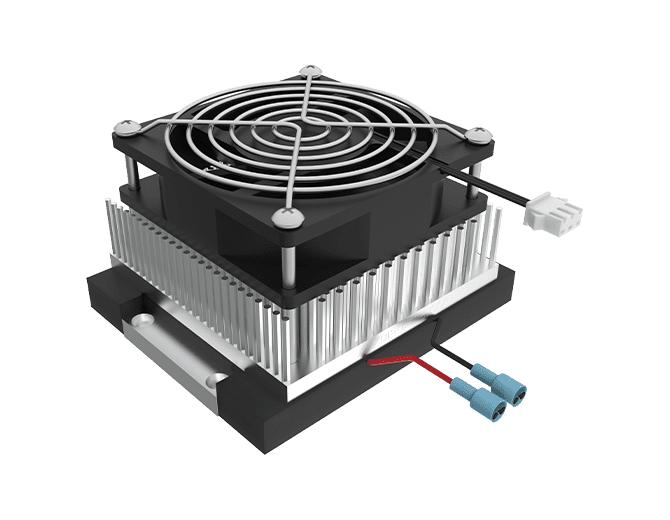
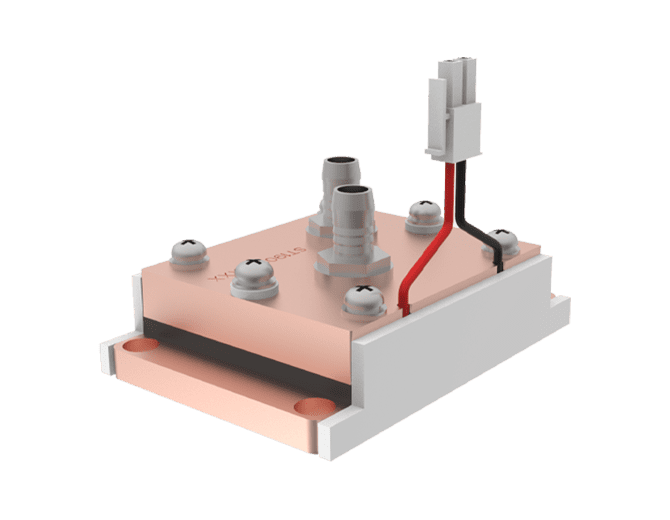
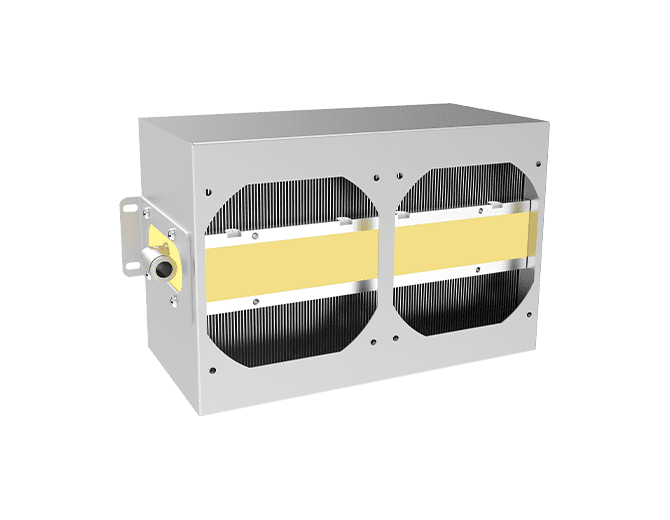
A heat dissipation system meeting the design requirements must be equipped for the hot side. For example, a standard air cooler for CPU cooling may be completely inadequate, requiring an upgrade to a high-performance heat pipe cooler or even a water block. Ensure that even at maximum power, the hot side temperature can be effectively controlled within the required range. Also, pay attention to flat, smooth, and clean contact surfaces; uniform application of thermal interface material; and applying appropriate, even pressure to the ceramic plates during installation.
2. Pressure and Contact Surfaces: The Unignorable Mechanical Details The semiconductor ceramic plates themselves are very brittle, and the internal semiconductor grains are extremely sensitive to mechanical stress. Before installation, ensure the surfaces of the ceramic plates, heat sink, and the object to be cooled are flat, smooth, and clean.
Any tiny impurities, burrs, or grease will increase contact thermal resistance, create local hot spots, severely affect cooling efficiency, or even cause damage. It is recommended to use lint-free cloth and alcohol to carefully clean all contact surfaces.
Apply uniform, appropriate pressure to the upper and lower ceramic plates.
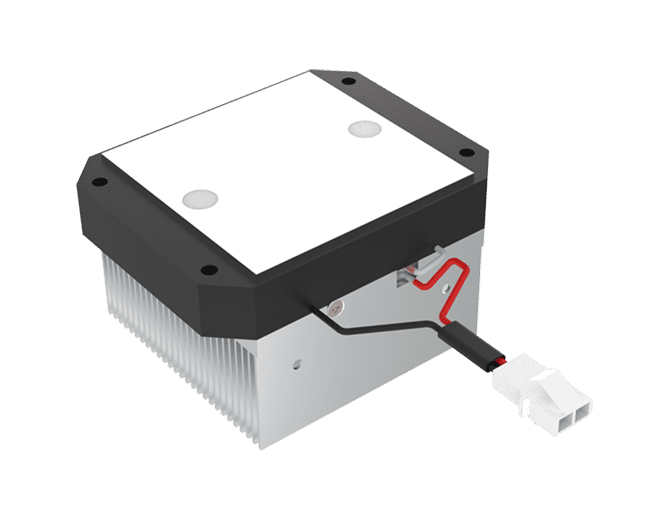
When using screws for fixation, ensure pressure is evenly distributed. Follow the principle of tightening diagonally opposite screws alternately and in steps, using a torque wrench to tighten each screw to the specified torque value. Insufficient pressure leads to poor contact; excessive pressure can crush the brittle ceramic plates. After installation, it is recommended to re-check the screw torque after 1 hour, and perform maintenance checks every six months thereafter to prevent loosening due to material creep or thermal cycling. Apply a thin, uniform layer of high-performance thermal grease on all contact surfaces, recommended thickness between 0.02mm and 0.1mm. Thermal grease fills the microscopic gaps from surface imperfections, significantly improving heat transfer efficiency. 3. Sealing and Anti-Condensation: Details Determine Success When the cold side temperature falls below the ambient dew point, condensation will form. Once condensation water seeps inside, it can easily cause electrical short circuits and electrode corrosion. Preventive measures include wrapping insulation foam and applying potting compound around the cold side to minimize air contact, or applying a hydrophobic coating on the cold side surface for protection.
4. Power Supply and Control: Mastering Cooling Precisely A TEC is a DC device, but its operating characteristics mean it cannot simply be connected directly to a power source.
1. Use a Regulated Power Supply: A DC regulated power supply with sufficient capacity is essential. Voltage fluctuations directly affect cooling power and maximum temperature differential. The power supply's rated current should be at least 1.2 times the TEC's maximum current.
2. Strictly Prohibit Powering On Without Load and Sudden Power-Off: Absolutely DO NOT power on the TEC before the heat dissipation system is installed on both the hot and cold sides! Without a way to dissipate heat, the module can be destroyed within seconds due to excessive internal temperature differential. Similarly, a sudden power-off during high-speed operation, as residual heat on the hot side cannot be quickly removed, can also lead to heat backflow damaging the cold side. The correct procedure is to reduce power before shutdown, allowing the heat dissipation system to continue operating for a while to balance temperatures.
3. Implement a Temperature Control System: The ideal operation is paired with a temperature sensor and a PID temperature controller. The controller dynamically adjusts the voltage or current (often via PWM) supplied to the TEC based on the set temperature, achieving precise temperature control. This not only prevents overcooling and condensation but also significantly improves energy efficiency and extends device life.
Installing a TEC module is far from as simple as "clamping it on and powering it up." It is a systematic engineering project encompassing thermodynamics, mechanical engineering, and electronics. From the absolute priority of the heat dissipation system design and installation, to the mechanical caution of applying even pressure; from meticulous attention to detail like using high-performance thermal grease, to the preventative measures of sealing against condensation—every step affects the final outcome, performance, and lifespan. Only by treating each installation step with a rigorous and professional attitude can this tiny "energy magician" truly serve you, creating a stable and reliable low-temperature environment.
Huajing Temperature Control
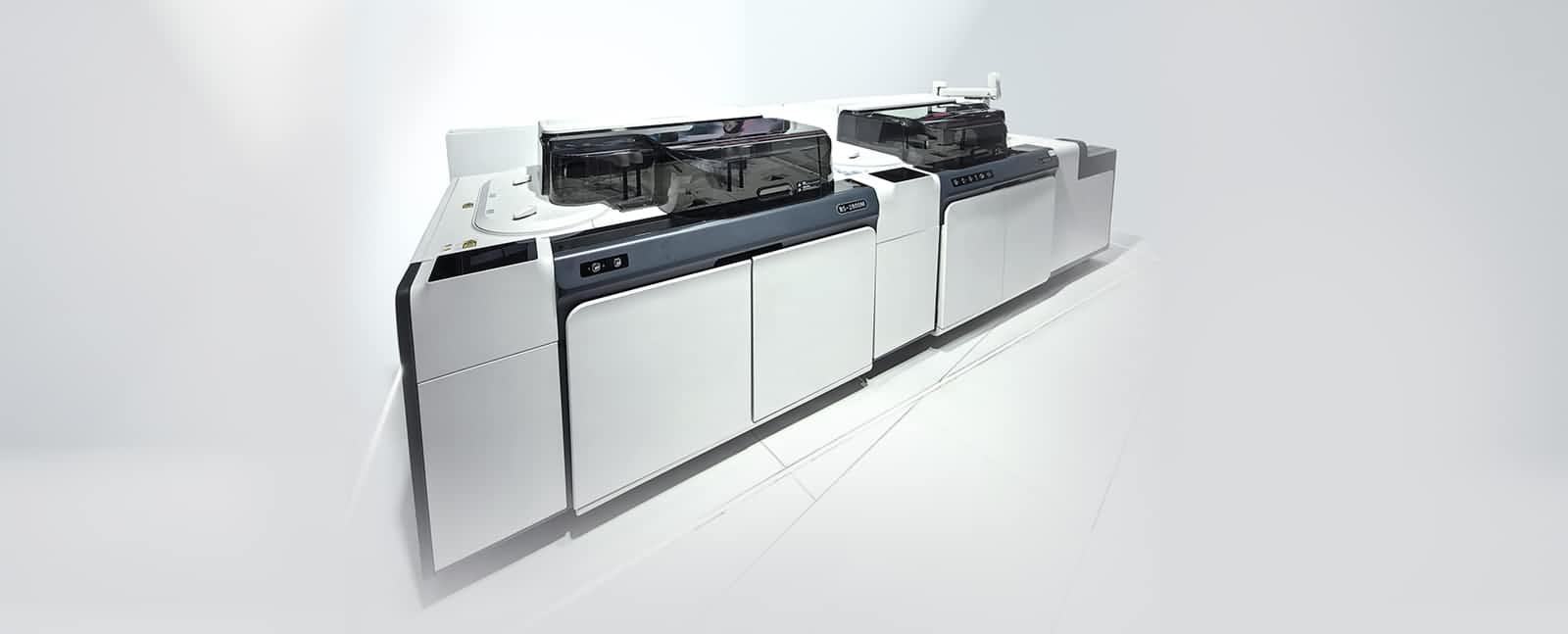
possesses extensive design experience and a professional production process in the field of thermoelectric coolers. For years, we have focused on TEC technology and its application in precision medical devices like allergen detectors.
During the design and manufacturing process, we continuously optimize material selection and structural improvements, implementing strict quality control systems and aging test procedures to ensure high product reliability and stability, guaranteeing that our products maintain excellent cooling performance even after prolonged operation.
Our company has a dedicated R&D team comprised of experts in thermal management research and TEC technology development. Equipped with a high-standard laboratory, we conduct comprehensive performance testing on our temperature control product series, achieving a leading domestic level. Our customized temperature control device solutions and products have been applied across multiple industries including medical, beauty, automotive, communications, testing instruments, and consumer electronics.
 Contact Our Thermal Experts:
📞 +86 18575222950 (WeChat/WhatApps)
📧 EMAIL: sale02@hj-tc.com
🌐 Browse products: https://www.huajingtc.com (Huajing Cooling Solutions)
Optimize your UAV & Laser & Beauty system's performance with Huajing's advanced thermoelectric cooling technology.
Huajing Temperature Control – Your Professional Total Solution Provider for Temperature Control Equipment.


Looking for more
information?

0755 23405284
Email: sale02@hj-tc.com
Add: 3/F No.5 Building,Yesun Pingshan Life and Health Technology Park, No. 19 Linhui Road,Pingshan District, Shenzhen, Guangdong,CN.
©2019- 2024 Huajing Co.,Ltd.Copyright