Release time: March 02, 2026
Views: 770
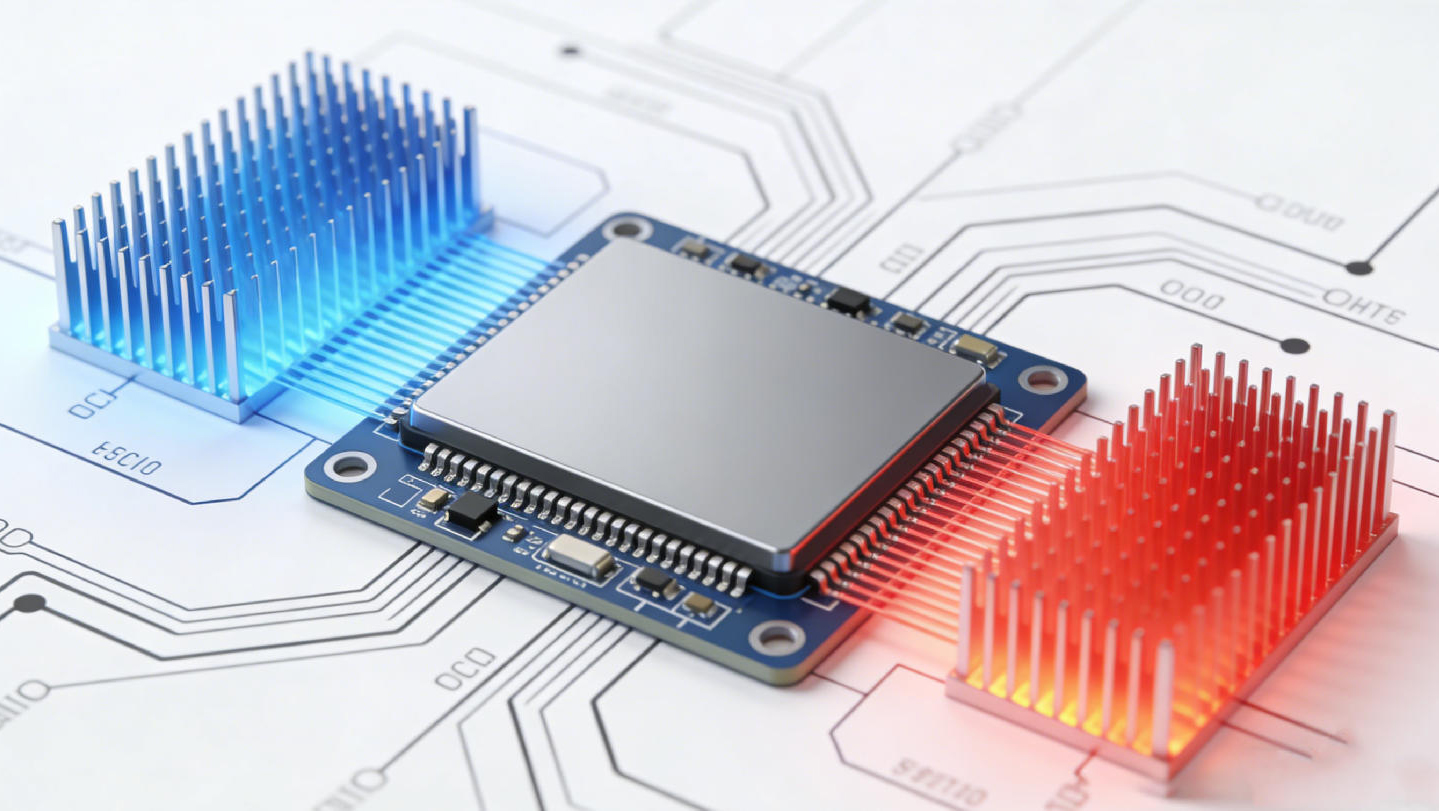
In modern science and technology, thermoelectric cooling technology is widely used in various fields due to its unique advantages, ranging from daily refrigerators and air conditioners, to heat dissipation for electronic devices, and even to special industrial and scientific research scenarios. So, what exactly is the principle behind this remarkable cooling technology?
The core of thermoelectric cooling is based on the Peltier effect. In 1834, French physicist Jean Charles Peltier discovered that when an electric current passes through a circuit composed of two different conductors, heat absorption or release occurs at the junctions of the conductors. This phenomenon was later named the Peltier effect, and it is particularly pronounced in semiconductor materials.
Semiconductor materials contain a large number of mobile charge carriers: negatively charged electrons and positively charged holes. When a current flows through a circuit made of N-type semiconductors (electrons as majority carriers) and P-type semiconductors (holes as majority carriers), electrons in the N-type semiconductor move from the cold side to the hot side, leaving excess energy at the cold end and thus absorbing heat. Meanwhile, holes in the P-type semiconductor move from the hot side to the cold side, releasing energy when recombining at the cold end and also absorbing heat. As a result, a significant cooling effect is produced at the junction of N-type and P-type semiconductors. With proper design and assembly, effective cooling can be achieved using the Peltier effect.
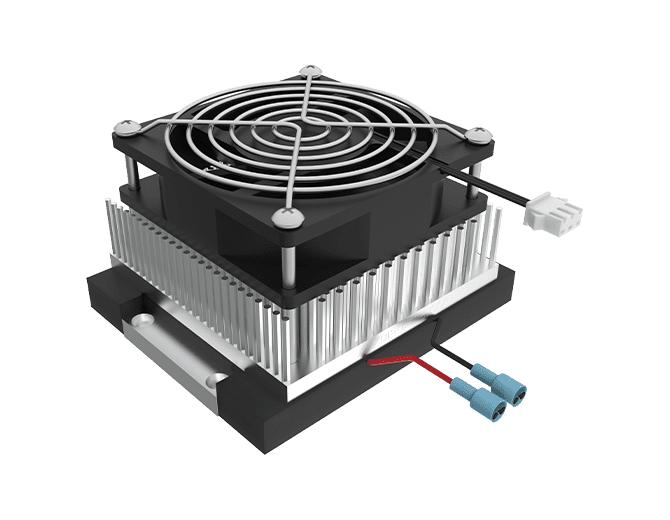
A thermoelectric cooler generally consists of multiple thermocouple pairs made of N-type and P-type semiconductors. These pairs are connected by metal conductive sheets to form a complete circuit. When direct current is applied to the circuit, the current flows sequentially through each thermocouple pair.
In each thermocouple pair, the N-type semiconductor absorbs heat while the P-type semiconductor releases heat. Through clever design, the object to be cooled is placed in contact with the heat-absorbing side, and the heat-releasing side exchanges heat with the external environment via heat-dissipating devices (such as heat sinks and fans). In this way, heat is continuously transferred from the cold side to the hot side, achieving targeted cooling.
The thermoelectric properties of semiconductor materials play a decisive role in cooling efficiency. Key parameters include the Seebeck coefficient, electrical conductivity, and thermal conductivity.
A higher Seebeck coefficient, which reflects the ability to convert thermal energy into electrical energy, helps improve cooling efficiency.
Good electrical conductivity reduces resistive heat loss during current flow.
Low thermal conductivity prevents reverse heat conduction from the hot side back to the cold side, enhancing cooling performance.
Currently, commonly used materials such as bismuth telluride and its alloys offer a relatively balanced thermoelectric performance.
Current directly affects the strength of the Peltier effect. Within a certain range, increasing current strengthens cooling. However, excessive current causes a sharp rise in resistive heat loss, reducing efficiency and even damaging the thermoelectric cooler. Therefore, the optimal operating current for each cooler must be determined through precise experiments and calculations.
Heat dissipation at the hot side is critical to overall efficiency. Poor and delayed heat dissipation leads to a rapid temperature rise at the hot side, making it difficult to transfer heat continuously from the cold side and severely weakening cooling. High-efficiency heat sink design, appropriate fan speed, and high-performance thermal interface materials (such as thermal grease) effectively improve heat dissipation and boost efficiency.
Thermoelectric cooling features no moving mechanical parts, small size, light weight, fast cooling speed, and precise temperature control. These advantages enable its wide use in specialized fields:
Electronic devices: Used for chip heat dissipation to ensure stable operation at suitable temperatures.
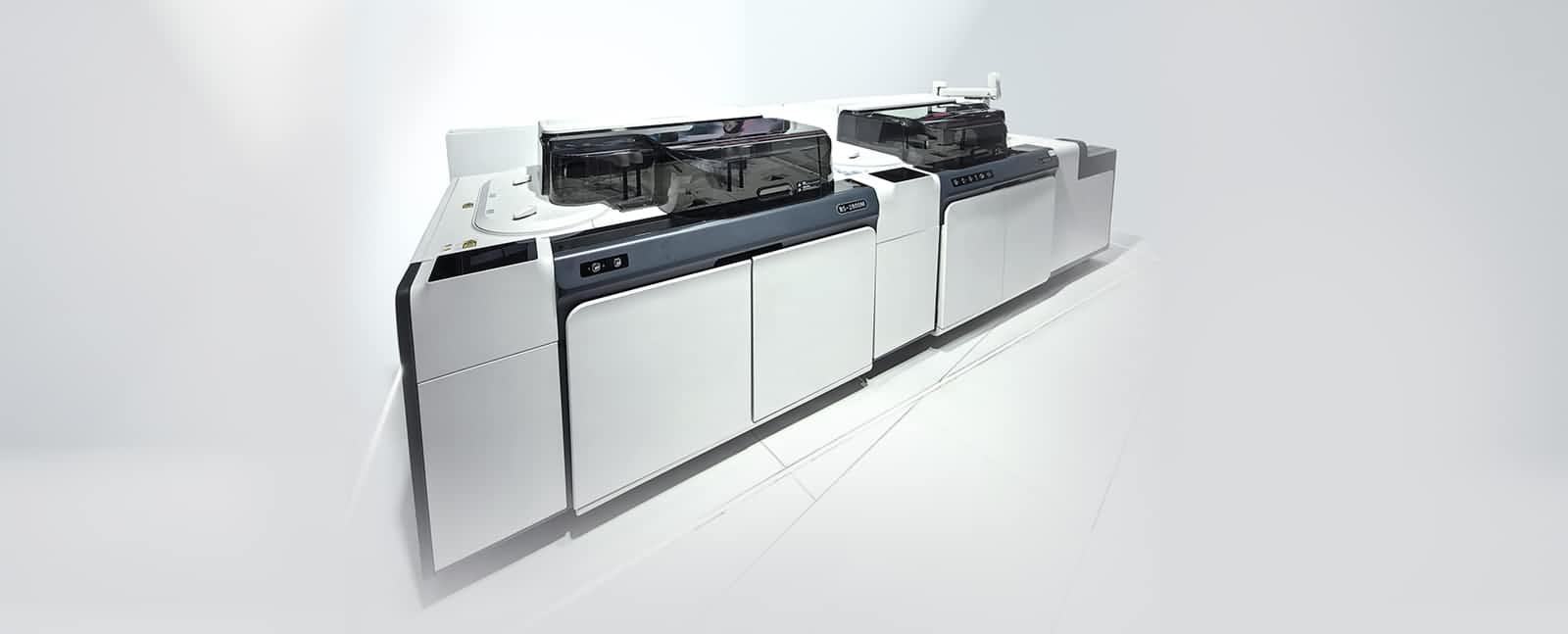
Medical field: Applied in blood analyzers, vaccine refrigerators, and other equipment.
Aerospace: Utilized in thermal control systems of satellites and other devices due to high reliability and strong adaptability.
In summary, thermoelectric cooling is based on the Peltier effect. Through rational structural design and material selection, it achieves efficient cooling. This technology plays an important role across industries, bringing greater convenience and innovation to daily life and technological development.
 Contact Our Thermal Experts:
📞 +86 18575222950 (WeChat/WhatApps)
📧 EMAIL: sale02@hj-tc.com
🌐 Browse products: https://www.huajingtc.com (Huajing Cooling Solutions)
Optimize your UAV & Laser & Beauty system's performance with Huajing's advanced thermoelectric cooling technology.


Looking for more
information?

0755 23405284
Email: sale02@hj-tc.com
Add: 3/F No.5 Building,Yesun Pingshan Life and Health Technology Park, No. 19 Linhui Road,Pingshan District, Shenzhen, Guangdong,CN.
©2019- 2024 Huajing Co.,Ltd.Copyright