Release time: October 14, 2026
Views: 12
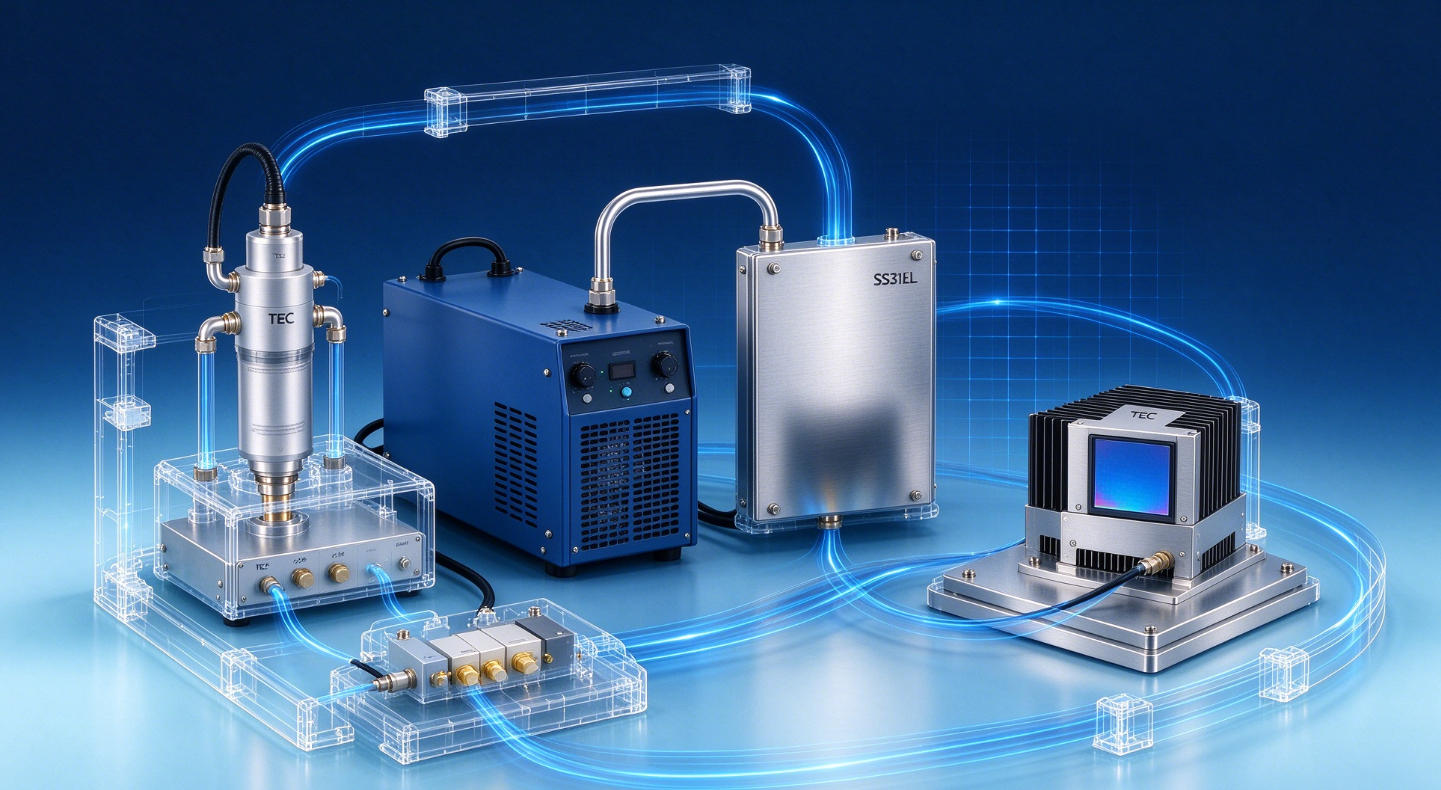
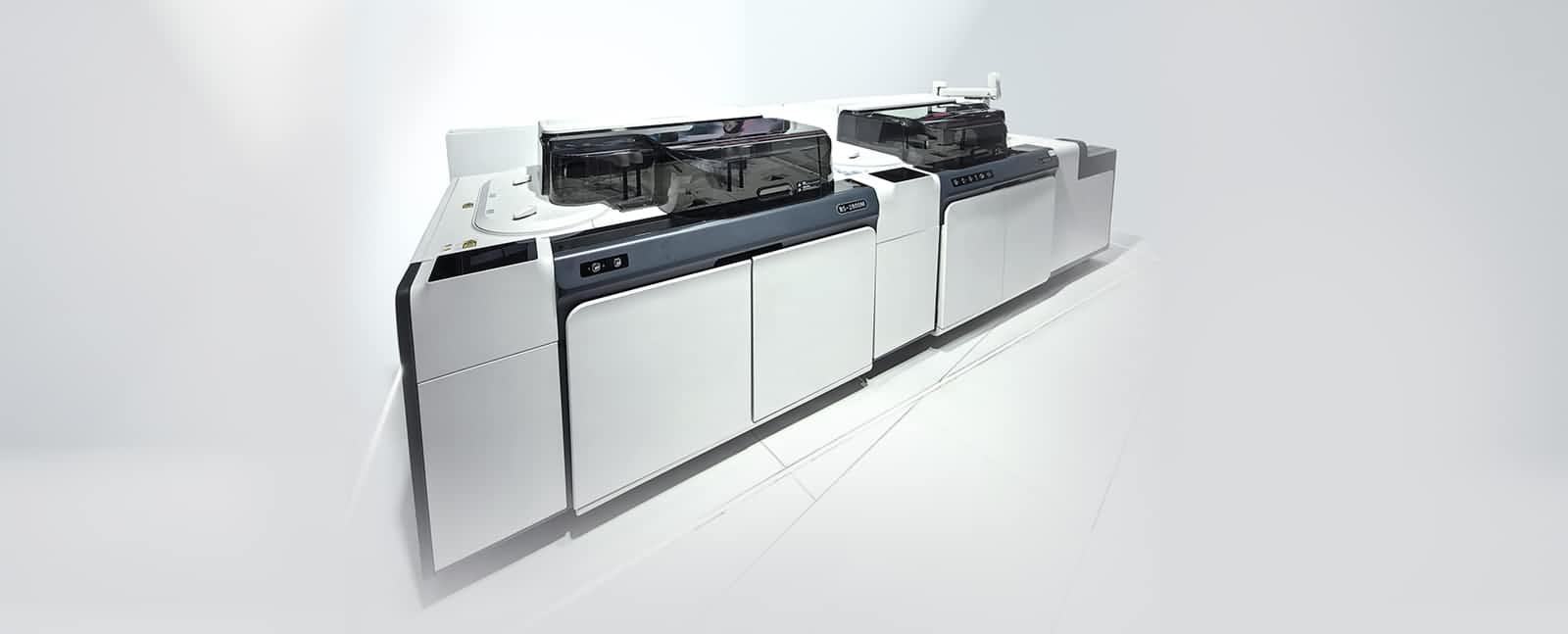
In vitro diagnostic (IVD) analyzers, medical lasers, semiconductor equipment and optical instruments are highly temperature-sensitive. Even minor temperature fluctuations can cause assay errors, wavelength drift, component aging and reduced product yield. The first step in selecting the right cooling system is to clearly define your cooling requirements and operating conditions. This guide outlines the key selection criteria engineers need when specifying thermal management solutions.
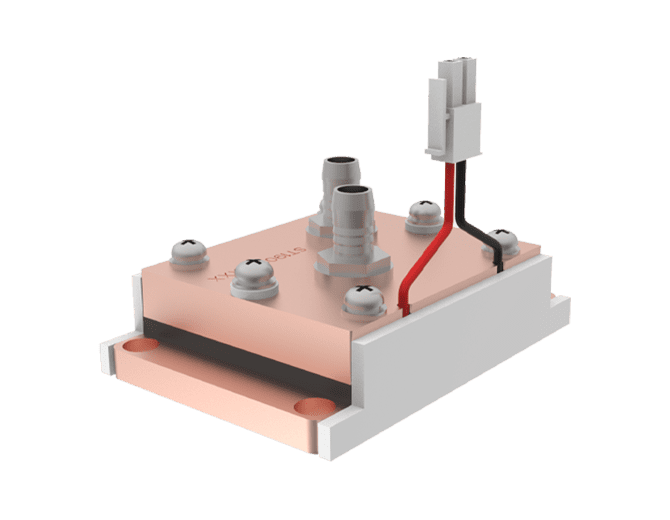
Reaction modules require closed-loop temperature control to maintain assay accuracy. SS316L precision cold plates are recommended to ensure clean, non-contaminating fluid paths for reagents and process fluids.
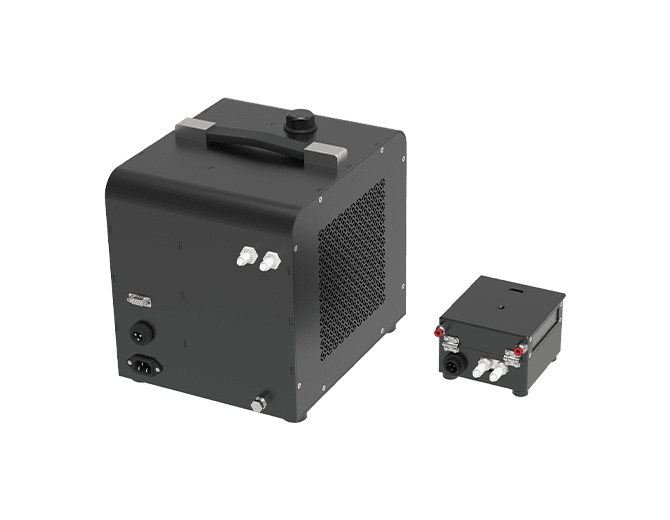
Medical laser systems generate sustained high heat loads during operation. Variable-frequency recirculating chillers are used to remove heat efficiently, enabling continuous long-duration treatment cycles.
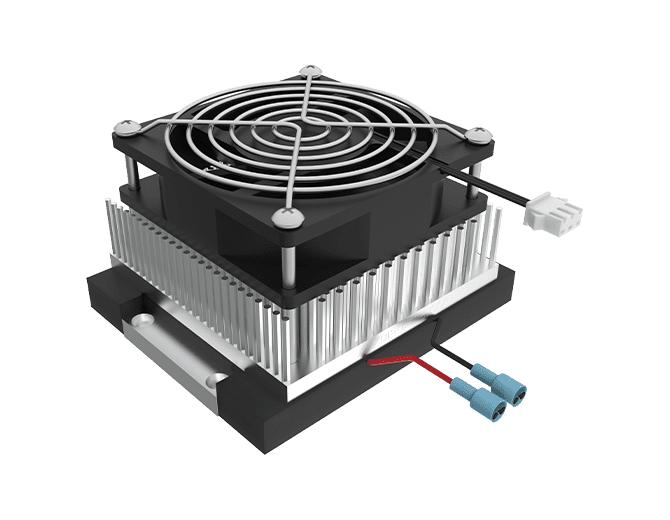
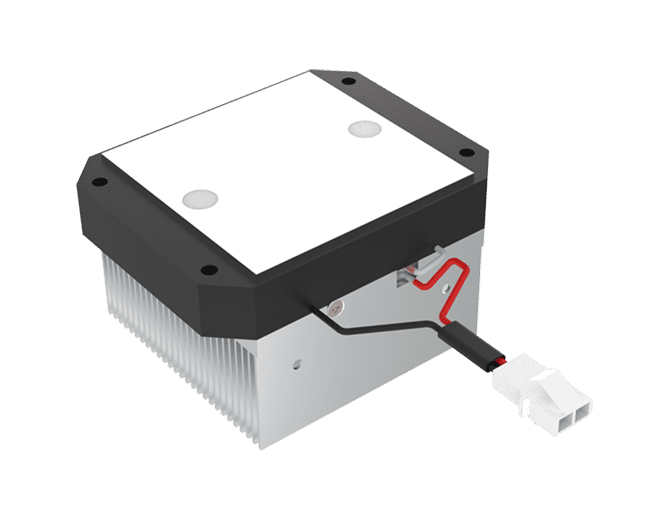
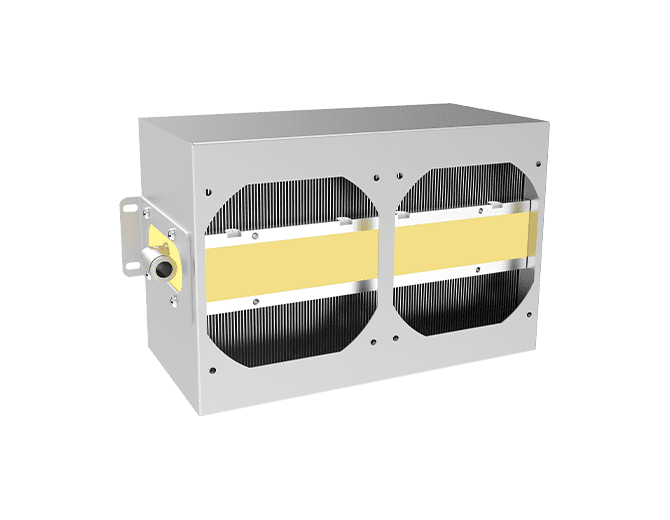
Thermoelectric cooler (TEC) modules offer fast response times and vibration-free operation, making them ideal for embedded OEM integration. They are often paired with dehumidification modules to control cavity humidity and prevent condensation.
Cooling solutions are customized based on target temperature, heat load and available installation space within the instrument enclosure.
· Target Temperature and Stability: High-end applications typically require ±0.1–0.5°C stability; general industrial applications may tolerate ±1–2°C.
· Heat Load / Cooling Capacity: The most critical parameter. Always size the chiller or TEC system based on measured full-load heat dissipation rather than estimates.
· Operating Conditions: Ambient temperature range, continuous vs intermittent duty cycle, altitude, and corrosive or explosive environments must all be considered.
· Coolant Type: Deionized water or standard water for general use; SS316L flow paths for high-purity medical or chemical applications.
· Power Supply and Certifications: 110V/220V, 50/60Hz options; CE, FCC and other regional certifications as required by target markets.
Selecting between a thermoelectric cooler (TEC) module and a variable-frequency recirculating chiller depends on heat load, space constraints and stability requirements. The table below summarizes the key differences.
Parameter | TEC Thermoelectric Cooling Module | Variable-Frequency Recirculating Chiller |
Cooling Capacity | Small to medium heat loads | Medium to high heat loads (300W – 1000W+) |
Form Factor | Ultra-compact, designed for OEM embedded integration | Self-contained unit, larger footprint |
Temperature Stability | Excellent for small thermal mass applications | More stable under sustained high heat loads |
Typical Applications | IVD reaction blocks, compact optical modules | High-power lasers, large scientific instruments |
Key Advantage | Precise, vibration-free, solid-state | High cooling capacity, continuous duty |
Rule of thumb: choose a TEC module when space is limited and heat load is moderate; choose a recirculating chiller for sustained high heat generation. Many projects use a hybrid approach combining TEC fine control with liquid-circulated bulk cooling.
· Estimating heat load instead of measuring it — leads to temperature drift at full load.
· Ignoring internal enclosure temperature rise — causes frequent over-temperature alarms.
· Using standard copper cold plates for medical or chemical fluids — results in corrosion and contamination.
· Sealing optical cavities without humidity control — leads to condensation and component failure.
For a customized thermal management proposal and quotation, please provide the following details: application type, target temperature, required temperature stability, heat load, operating environment, and power supply specifications. Our thermal engineering team will design a solution tailored to your instrument.
Huajing Co., Ltd. specializes in thermoelectric (TEC) thermal management. We supply standard and customized temperature control products — including TEC modules, SS316L cold plates, recirculating chillers and dehumidification units — for customers in medical, laser, analytical instrument and new energy industries worldwide.
 Contact Our Thermal Experts:
📞 +86 18575222950 (WeChat/WhatApps)
📧 EMAIL: sale02@hj-tc.com
🌐 Browse products: https://www.huajingtc.com (Huajing Cooling Solutions)
Optimize your UAV & Laser & Beauty system's performance with Huajing's advanced thermoelectric cooling technology.


Looking for more
information?

0755 23405284
Email: sale02@hj-tc.com
Add: 3/F No.5 Building,Yesun Pingshan Life and Health Technology Park, No. 19 Linhui Road,Pingshan District, Shenzhen, Guangdong,CN.
©2019- 2024 Huajing Co.,Ltd.Copyright