Release time: February 02, 2026
Views: 645
For medical aesthetic device manufacturers, the temperature control precision of the instrument directly determines treatment safety and the reputation for efficacy.
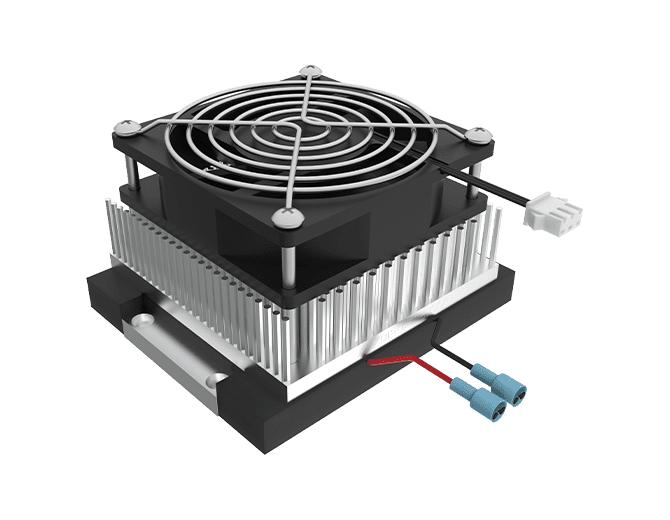
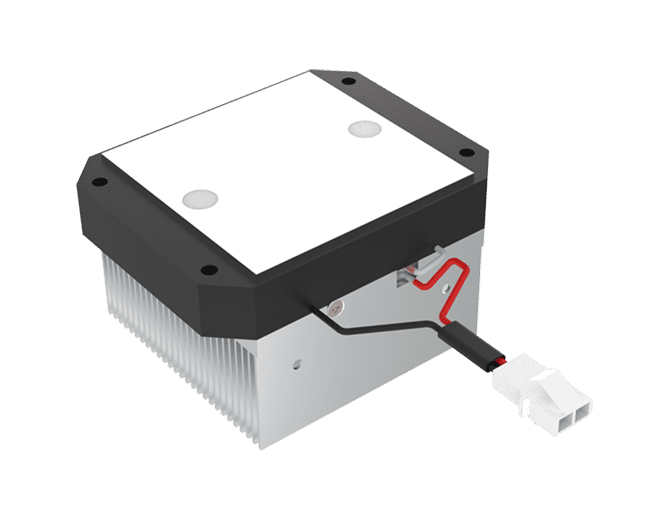
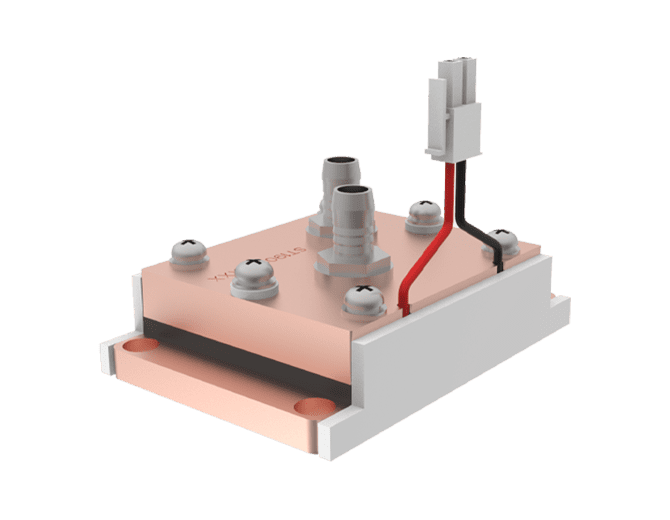
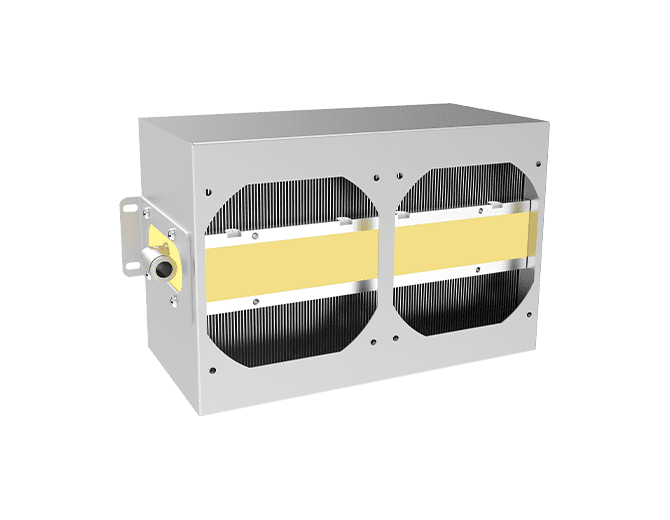
Semiconductor cooling modules, as the core temperature control components in aesthetic devices, are precisely the key to achieving accurate temperature control.
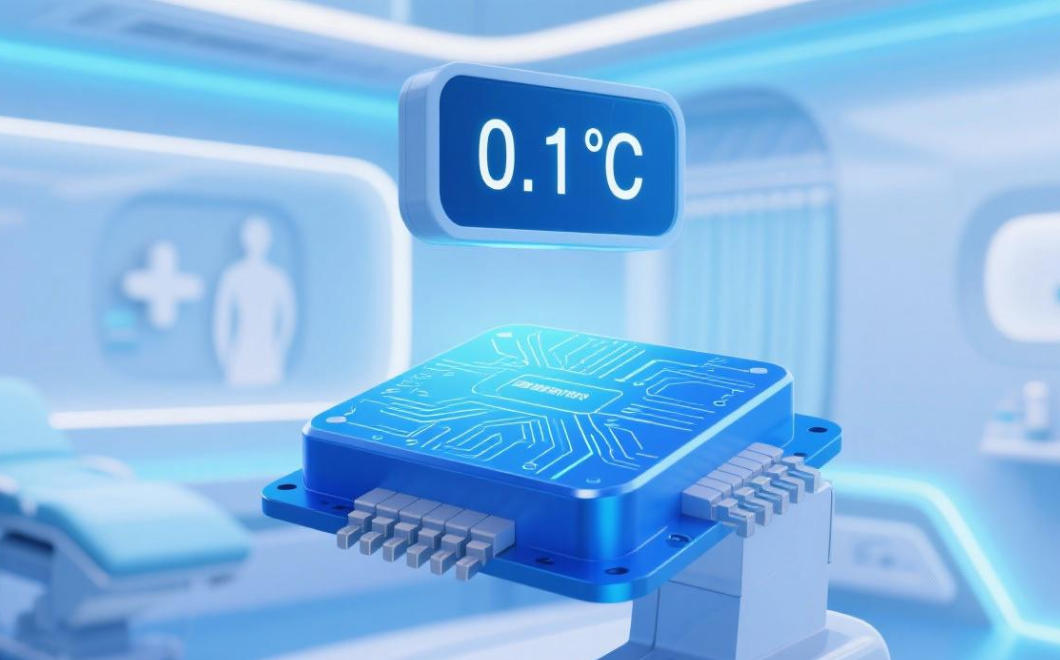
The essence of medical aesthetics is precise energy intervention in biological tissue, and the final manifestation of almost all energy interactions boils down to temperature change. The precision of temperature control directly delineates the boundary between "effective treatment" and "safety risk"—a boundary often as narrow as 0.1°C.
RF Skin Tightening: Requires precise heating of the dermis to 55–65°C to stimulate collagen regeneration. A temperature deviation exceeding 0.5°C can lead to insufficient collagen regeneration or damage to dermal tissue.
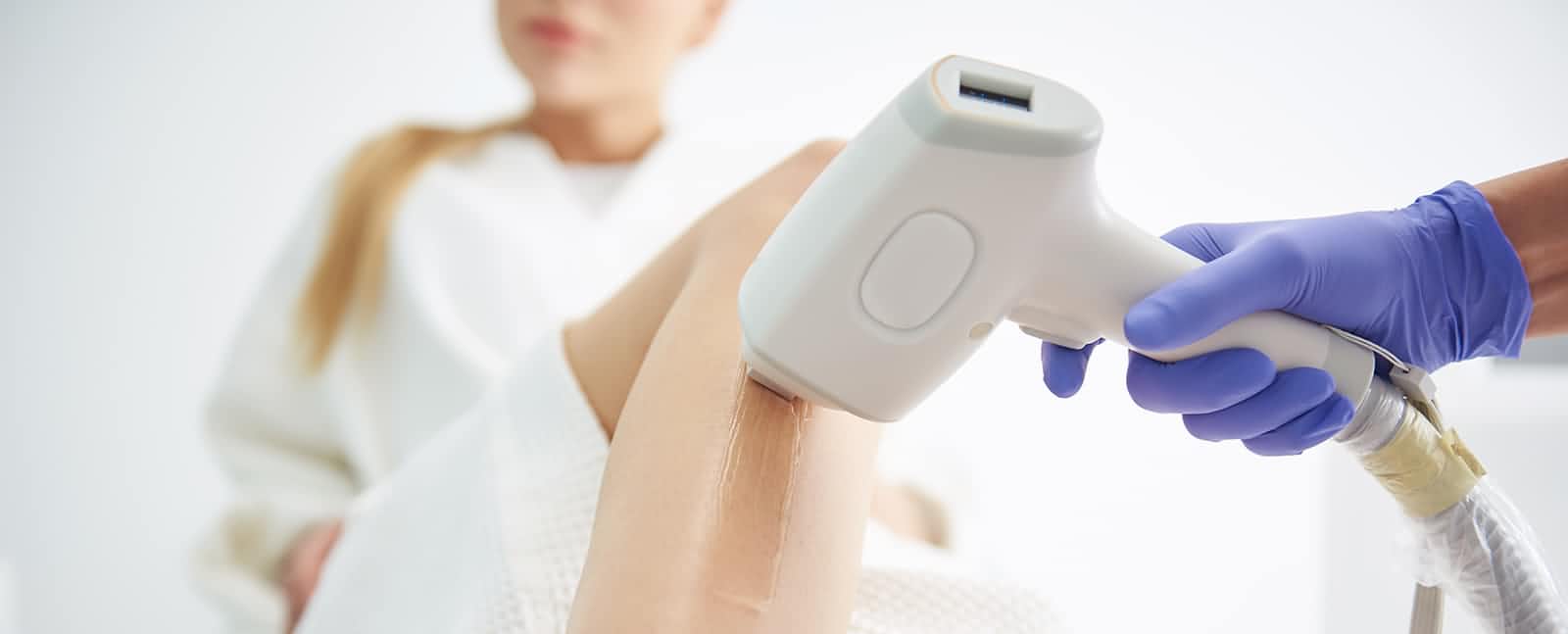
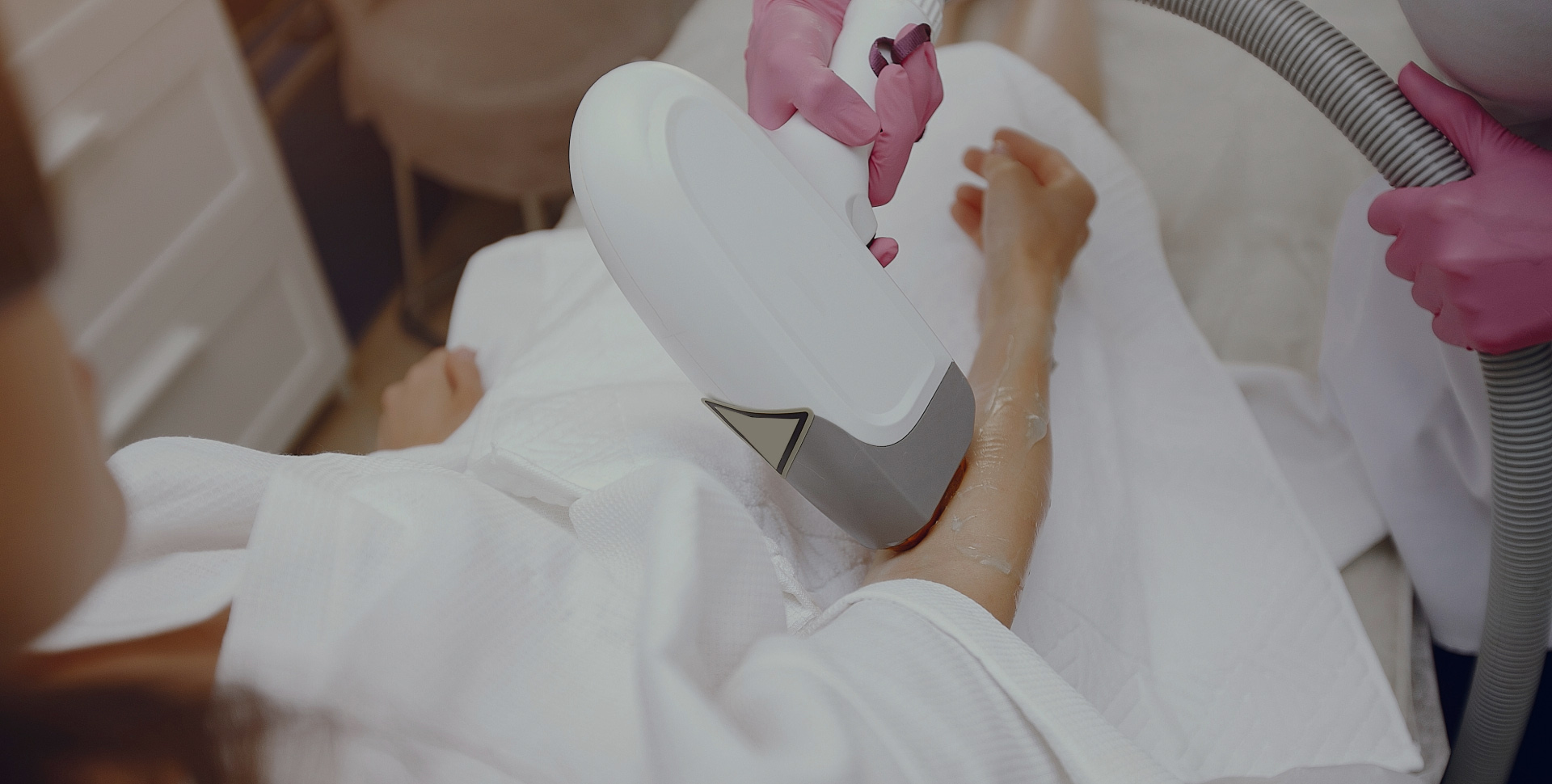
Laser Hair Removal:Requires heating the melanin in the hair follicle to over 70°C, while strictly controlling the epidermis temperature below 43°C. The instantaneous cooling capacity of the semiconductor cooling module is directly related to the risk of burns.
According to data from the China Medical Aesthetic Equipment Industry White Paper, when the temperature control deviation of aesthetic devices exceeds 1°C, treatment complaint rates increase by 47%. Devices utilizing high-precision semiconductor cooling modules can effectively reduce the incidence of adverse events.
Semiconductor Cooling Module: Detailed Explanation of Three Core Parameters
The core of selection lies in accurately matching the temperature control requirements of the aesthetic device. Focus should be on actual measured data, not just theoretical specifications.
1. Maximum Temperature Difference (ΔTmax): The Upper Limit of Temperature Control Capability
Refers to the maximum difference between the cooling surface and ambient temperature under ideal conditions with no thermal load. It determines the temperature range the module can cover.
Medical-grade modules typically achieve a ΔTmax of 65–80°C, far exceeding industrial-grade products (usually ≤50°C).
Recommendation: For multi-scenario aesthetic devices, prioritize modules with ΔTmax ≥ 70°C to reserve temperature control redundancy.
2. Maximum Cooling Capacity (Qc,max): Guarantee for Sustained Stability
Refers to the maximum heat power the cold end can absorb when there is no temperature difference. It directly impacts temperature control stability during prolonged device operation.
Laser devices can generate hundreds of watts of heat instantaneously, while RF devices continuously generate tens of watts. Insufficient cooling capacity leads to heat accumulation, temperature drift, and reduced efficacy.
Industry Standard: The module's cooling capacity should exceed the device's maximum heat generation power by at least 30% (e.g., a device generating 100W requires a module with Qc,max ≥ 130W).
3. Coefficient of Performance (COP): Key to Energy Efficiency and Heat Dissipation Balance
Refers to the cooling capacity produced per unit of electrical energy. It is a core metric for evaluating energy consumption and heat dissipation pressure.
Most aesthetic devices are portable or require long standby times. A high COP reduces energy consumption, extends battery life, and lessens the overall heat dissipation burden.
Medical-grade modules typically have a COP between 0.8–1.2. Under actual operating conditions (25°C ambient, 50% load), modules with COP ≥ 1.0 are more suitable for aesthetic applications, avoiding temperature control deviations caused by their own heat generation.
From Selection to Implementation: Actionable Suggestions for the Entire Process
The selection of semiconductor cooling modules should run through the entire device design, testing, and mass production process. The key is to "first clarify requirements, then accurately match."
1. Define Clear Thermal Requirements:Including target temperature, precision, cooling speed, continuous operating time, and environmental conditions.
2. Collaborate with Suppliers Early:Involve module suppliers in the preliminary design phase to jointly optimize thermal layout and control strategies.
3. Conduct Thorough Prototype Validation:Perform long-term, multi-cycle temperature control reliability tests simulating real-world usage scenarios.
Huajing Co., Ltd., founded in 2015, is a national high-tech enterprise focused on temperature control equipment solutions. It integrates R&D, production, sales, and service. Centered on three core technologies—semiconductor cooling, vapor-compression refrigeration, and flexible thermally conductive heating film application—the company provides customers with holistic solutions encompassing 3D structural design, CAE thermal simulation analysis, and supporting electronic hardware and software. Its products are widely used in medical aesthetics, laser equipment, telecommunications and power, aerospace, automotive new energy, and other fields.
Upholding the principles of "Customer, Team, Innovation, Integrity," the company continuously invests in R&D, gathers professional talent in thermal management, and is equipped with a high-standard laboratory to ensure product performance reaches domestic advanced levels. It currently holds multiple patents and has obtained ISO9001 and IATF16949 quality management system certifications, committed to providing customers with high-performance, high-stability, and high-reliability thermal management solutions and products.
The temperature control competitiveness of medical aesthetic instruments stems from the "precise adaptation" of semiconductor cooling modules, not merely "parameter accumulation."
Choosing the right thermoelectric cooling module not only ensures efficacy and safety but also shortens R&D cycles, reduces mass production risks, and provides core support for gaining a market advantage. If you need reliable and professional semiconductor temperature control solutions for medical aesthetics, Huajing Temperature Control welcomes your inquiry.
 Contact Our Thermal Experts:
📞 +86 18575222950 (WeChat/WhatApps)
📧 EMAIL: sale02@hj-tc.com
🌐 Browse products: https://www.huajingtc.com (Huajing Cooling Solutions)
Optimize your UAV & Laser & Beauty system's performance with Huajing's advanced thermoelectric cooling technology.


Looking for more
information?

0755 23405284
Email: sale02@hj-tc.com
Add: 3/F No.5 Building,Yesun Pingshan Life and Health Technology Park, No. 19 Linhui Road,Pingshan District, Shenzhen, Guangdong,CN.
©2019- 2024 Huajing Co.,Ltd.Copyright