Release time: August 28, 2026
Views: 108
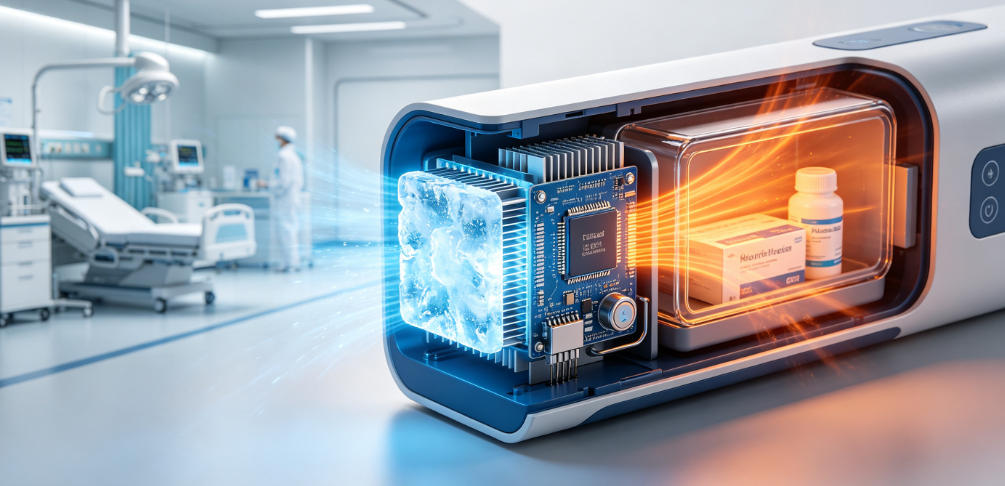
With the growing popularity of portable medical devices, medical‑grade thermoelectric cooling (TEC) chips have become key components. Two top concerns for customers during procurement are cooling performance and temperature‑control accuracy of TEC chips. In this article, Huajing Temperature Control walks you through their core strengths, real‑world application scenarios and selection tips to help you quickly identify suitable solutions, along with references to high‑quality products.
Core Principle: Peltier Effect — Foundation for Medical‑Grade Temperature Control
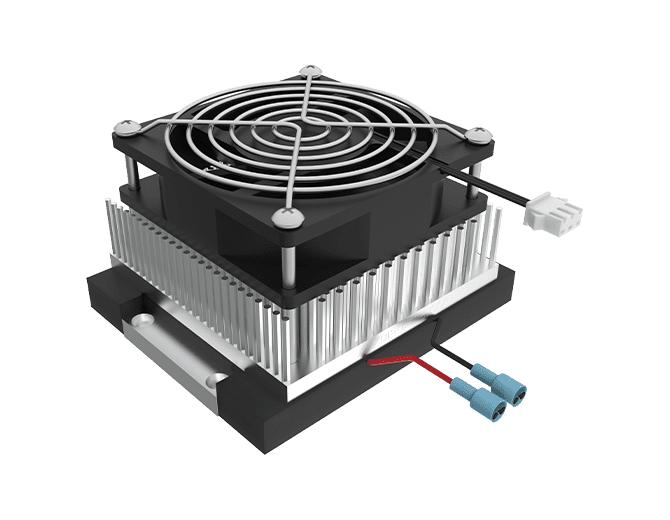
Thermoelectric cooling chips operate based on the Peltier effect. Different from conventional cooling mechanisms, they feature a simple structure: P‑type and N‑type semiconductor thermocouple pairs are sandwiched between ceramic substrates. When powered on, directional energy exchange takes place, forming a cold side and a hot side.
Core strengths: No refrigerants and no moving mechanical parts, eliminating risks of leakage and mechanical wear. Under typical operating conditions, service life can reach 200 000 hours (approximately 23 years), far exceeding the 5‑8‑year lifespan of traditional compressors, which meets the demand for long‑term stable operation in medical environments.
Four Core Advantages Meeting Key Medical‑Industry Requirements
1. Compact and Easy‑to‑Integrate for Portability
Medical‑grade TEC chips are merely 3‑5 mm thick, with footprint sizes as small as 10 mm × 10 mm. Light‑weight and installation‑friendly, they can be readily embedded in handheld therapeutic devices, mini refrigerated boxes and other equipment. They are easy for physicians to carry during home visits, perfectly satisfying core requirements for portable medical hardware.
2. High‑precision Temperature Control Safeguards Medical Safety
TEC chips deliver temperature‑control accuracy of ±0.1 ~ ±0.5 ℃, and high‑end variants achieve accuracy as fine as ±0.01 ℃ — performance well above ordinary industrial‑grade products. They can precisely maintain the 2‑8 ℃ storage temperature for insulin and set temperatures for cryotherapy. They produce cooling immediately upon power‑on and reach target temperature within 30 seconds, with a response speed 30 times faster than traditional compressors. Reversing the electric current enables gentle rewarming to reduce treatment‑related tissue damage.
3. Bidirectional Temperature Control for Multi‑purpose Use
Leveraging the reversible Peltier effect, TEC chips switch between cooling and heating modes. They support rewarming after cryotherapy, drug insulation in low‑temperature surroundings, and rapid hot‑cold switching for emergency treatment, greatly expanding the practical application scope of portable medical devices.
4. Low-noise and Eco‑friendly for Medical‑environment Compatibility
Operating noise stays below 35 dB with zero vibration, so they do not disturb examination rooms or precision testing instruments. Zero refrigerant discharge complies with environmental‑protection standards and overseas certification requirements, protecting the health of both medical staff and patients.
Five Key Application Scenarios Redefining Medical‑service Capabilities
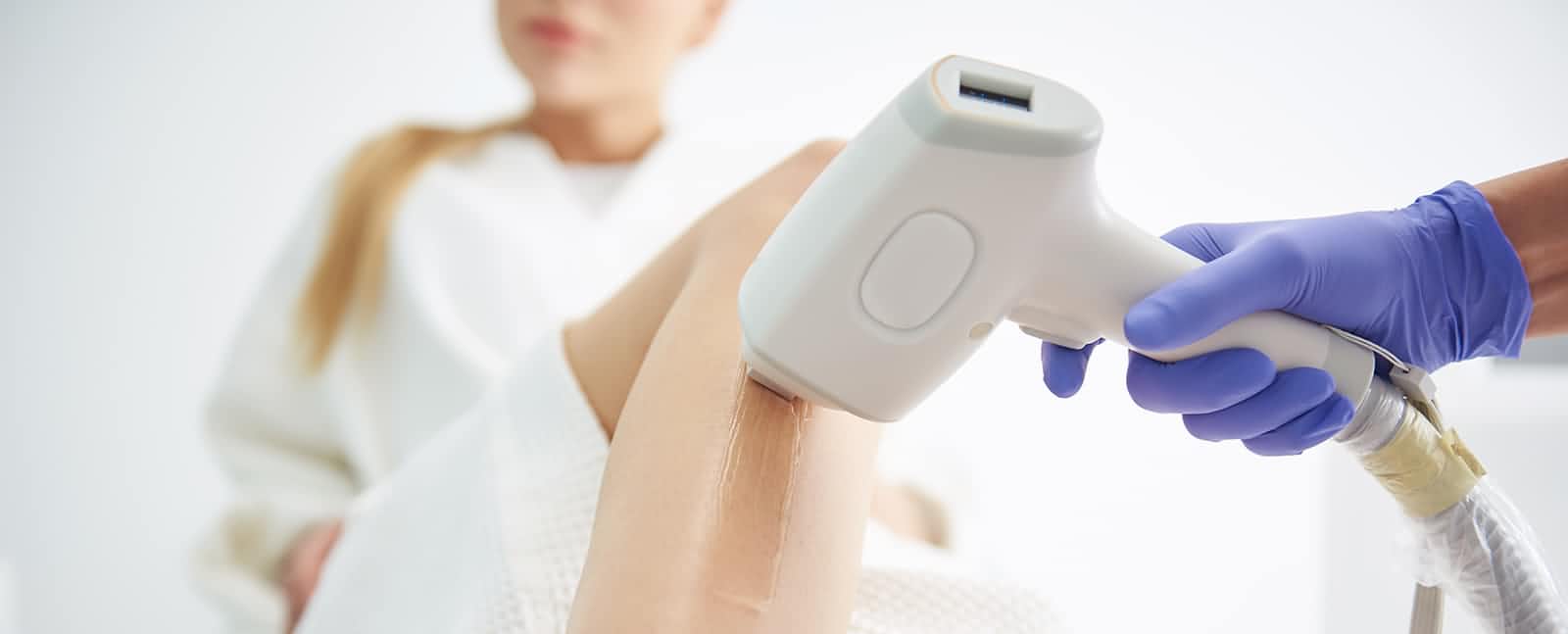
1. Dermatological treatment: Alternatives to liquid‑nitrogen‑based equipment; precise temperature control makes treatment safer for sensitive areas such as the face and peri‑orbital tissues.
2. Chronic‑disease management: Portable mini cooling boxes maintain stable temperatures to preserve insulin bioactivity and support multi‑scenario power‑supply options.
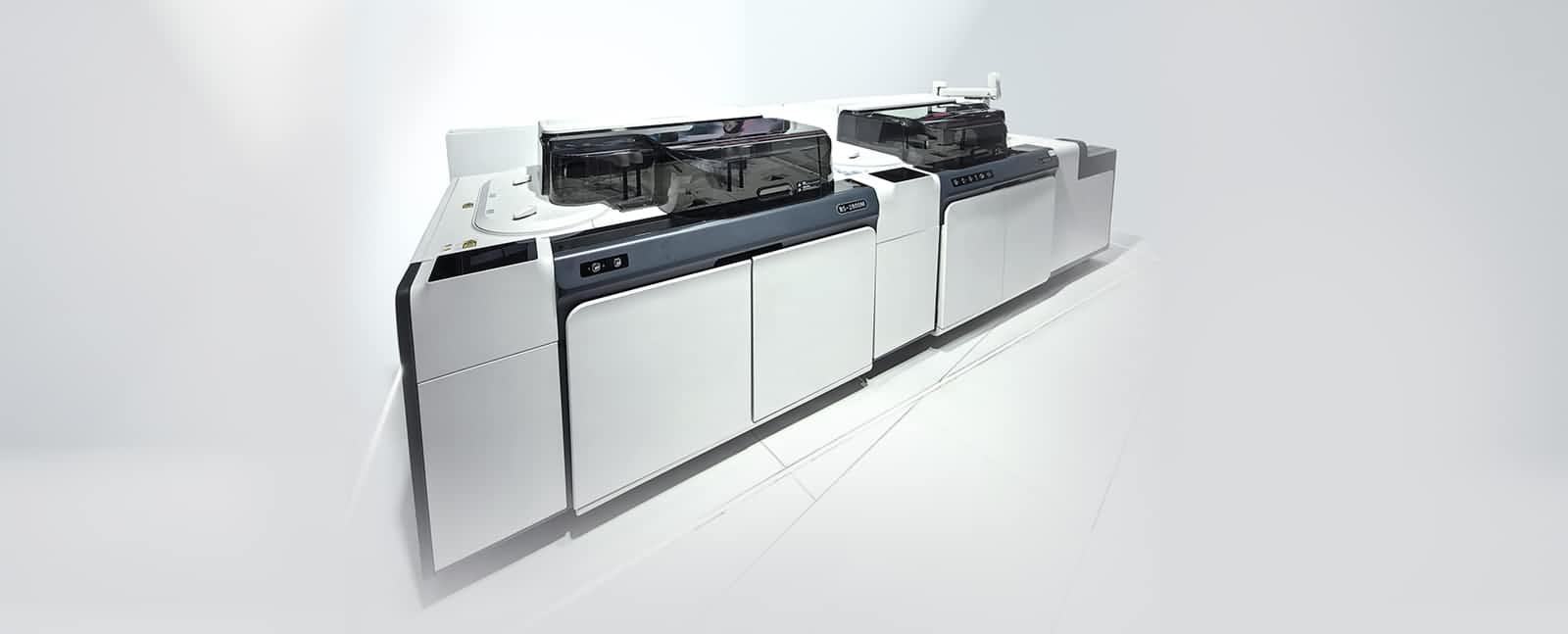
3. In‑vitro diagnostics: Meet the ±0.1 ℃ temperature‑control requirements of instruments such as PCR devices and improve detection accuracy.
4. Emergency rescue: Deliver fast cooling and stable cold compress therapy to buy valuable time for patient treatment.
5. Medical‑aesthetic rehabilitation: Provide precise constant‑temperature cold compresses to relieve postoperative redness and stinging and protect the skin barrier.
Pitfall‑avoidance Guidelines for Product Selection
1. Prioritize products with ±0.1 ~ ±0.5 ℃ accuracy; low‑precision general‑purpose chips may compromise medical‑treatment outcomes.
2. Match chip dimensions with the device and heat‑dissipation system. Insufficient heat dissipation will degrade temperature‑control accuracy.
3. Select products with medical‑grade certifications to guarantee material safety and stable performance.
4. Evaluate real‑world temperature‑control performance for target scenarios; do not rely solely on laboratory‑condition parameters.
Frequently‑asked Industry Questions
Q1: What is the difference between general‑purpose and medical‑specific thermoelectric cooling chips?
A: The core differences lie in temperature‑control accuracy and stability. Medical‑specific chips achieve higher precision and undergo rigorous aging tests for enhanced safety margins.
Q2: Can these chips produce heat?
A: Yes. They support rewarming after cold therapy as well as hot‑compress first‑aid applications, enabling multi‑functional single‑device usage.
Q3: How to select chips suitable for given equipment?
A: Focus on three key parameters: dimension, temperature difference, and power‑supply specifications. It is recommended to consult professional TEC manufacturers for targeted matching suggestions.
Thanks to outstanding temperature‑control accuracy and compact portability, medical‑grade thermoelectric cooling chips serve as critical building blocks for portable medical devices. Deployed across a wide range of medical scenarios, they resolve long‑standing pain points of conventional cooling technologies. To fully unlock the technology’s potential, product quality and reliability of cooling chips are of paramount importance.
Huajing Temperature Control specializes in R&D and manufacturing of thermoelectric cooling chips. Tailored to medical‑device requirements for compact size, high accuracy and sterilization resistance, the company delivers customized temperature‑control solutions. Its series of micro cooling chips cover a broad size range and achieve ±0.1 ℃ temperature‑control accuracy. Validated by multiple biocompatibility and reliability tests, the chips are widely integrated into PCR instruments, endoscopes, portable refrigeration boxes and other medical equipment. Professional technical support is available for both product selection and solution design.
For more application cases and technical parameters of micro cooling chips in medical devices, please visit the official website or contact the technical team for selection guidance.
 Contact Our Thermal Experts:
📞 +86 18575222950 (WeChat/WhatApps)
📧 EMAIL: sale02@hj-tc.com
🌐 Browse products: https://www.huajingtc.com (Huajing Cooling Solutions)
Optimize your UAV & Laser & Beauty system's performance with Huajing's advanced thermoelectric cooling technology.


Looking for more
information?

0755 23405284
Email: sale02@hj-tc.com
Add: 3/F No.5 Building,Yesun Pingshan Life and Health Technology Park, No. 19 Linhui Road,Pingshan District, Shenzhen, Guangdong,CN.
©2019- 2024 Huajing Co.,Ltd.Copyright