Release time: July 01, 2026
Views: 217

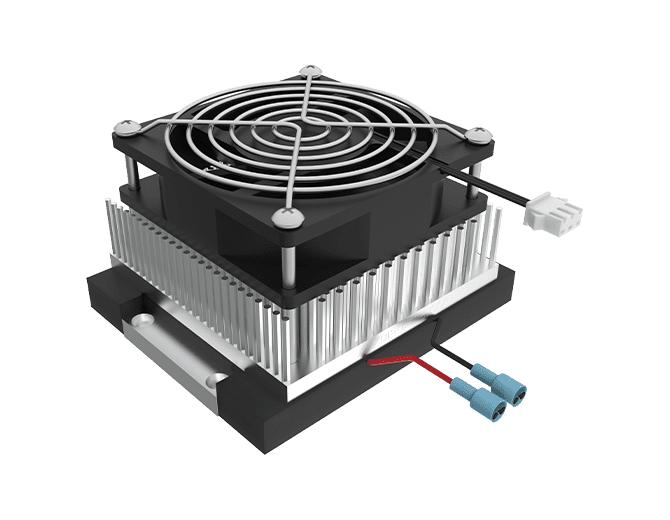
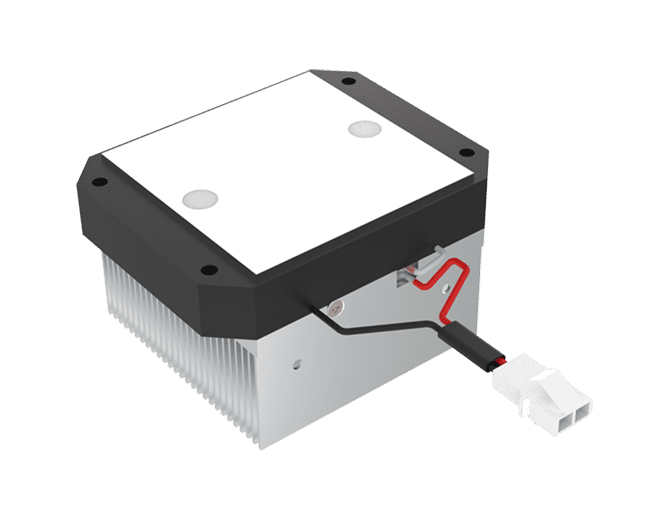
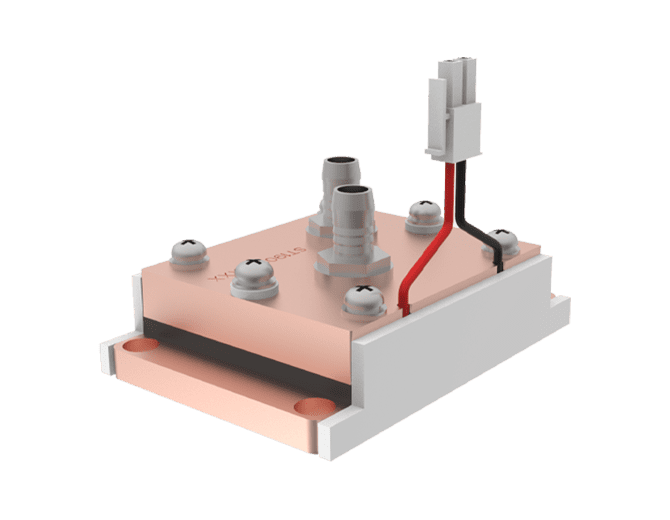
For manufacturers of medical aesthetic equipment, the temperature control accuracy of devices directly determines the safety of treatments and brand reputation for therapeutic efficacy. As the core temperature control component of medical aesthetic equipment, semiconductor cooling modules are the cornerstone of achieving precise temperature regulation.
The essence of medical aesthetics lies in the precise energy intervention on biological tissues, and almost all outcomes of energy action are ultimately reflected in temperature changes. The accuracy of temperature control draws a clear boundary between effective treatment and potential safety risks — a boundary that often hinges on a mere 0.1℃.
Radiofrequency Skin Tightening: The dermis needs to be precisely heated to 55–65℃ to stimulate collagen regeneration. A temperature deviation exceeding 0.5℃ may lead to insufficient collagen regeneration or dermal tissue damage.
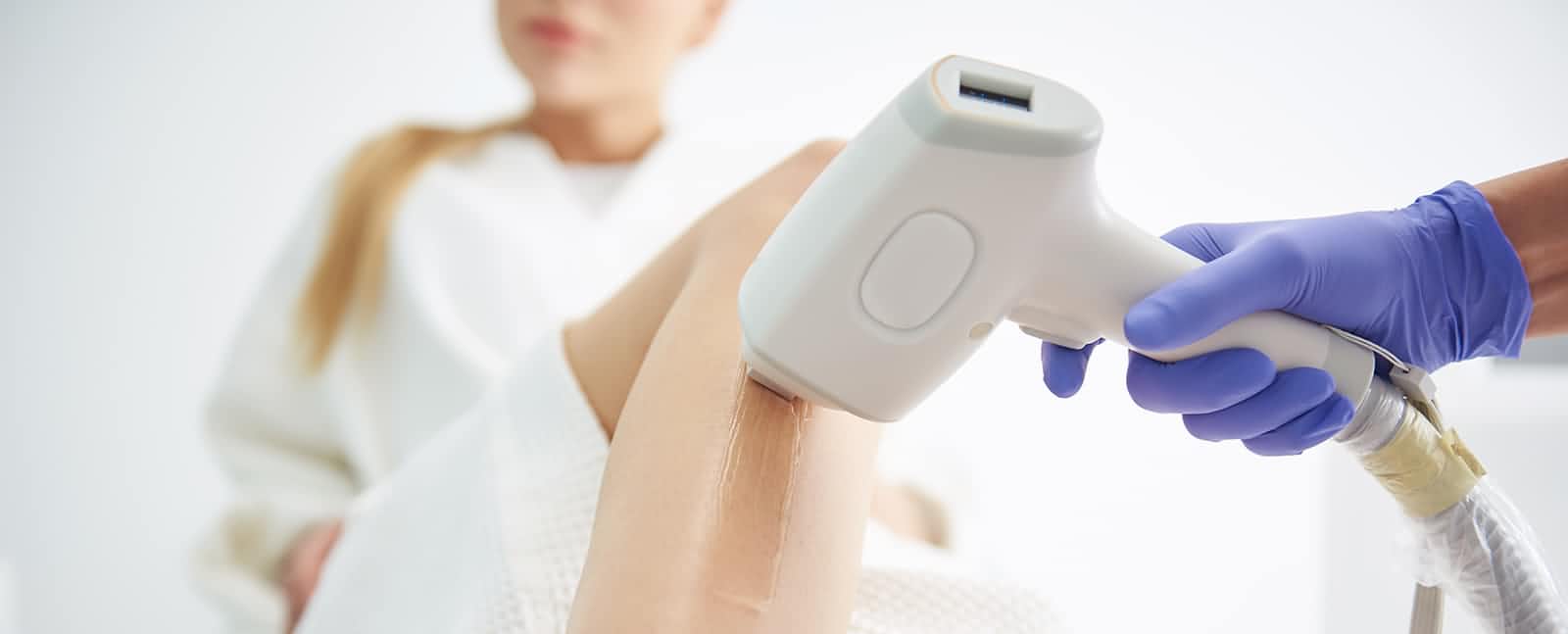
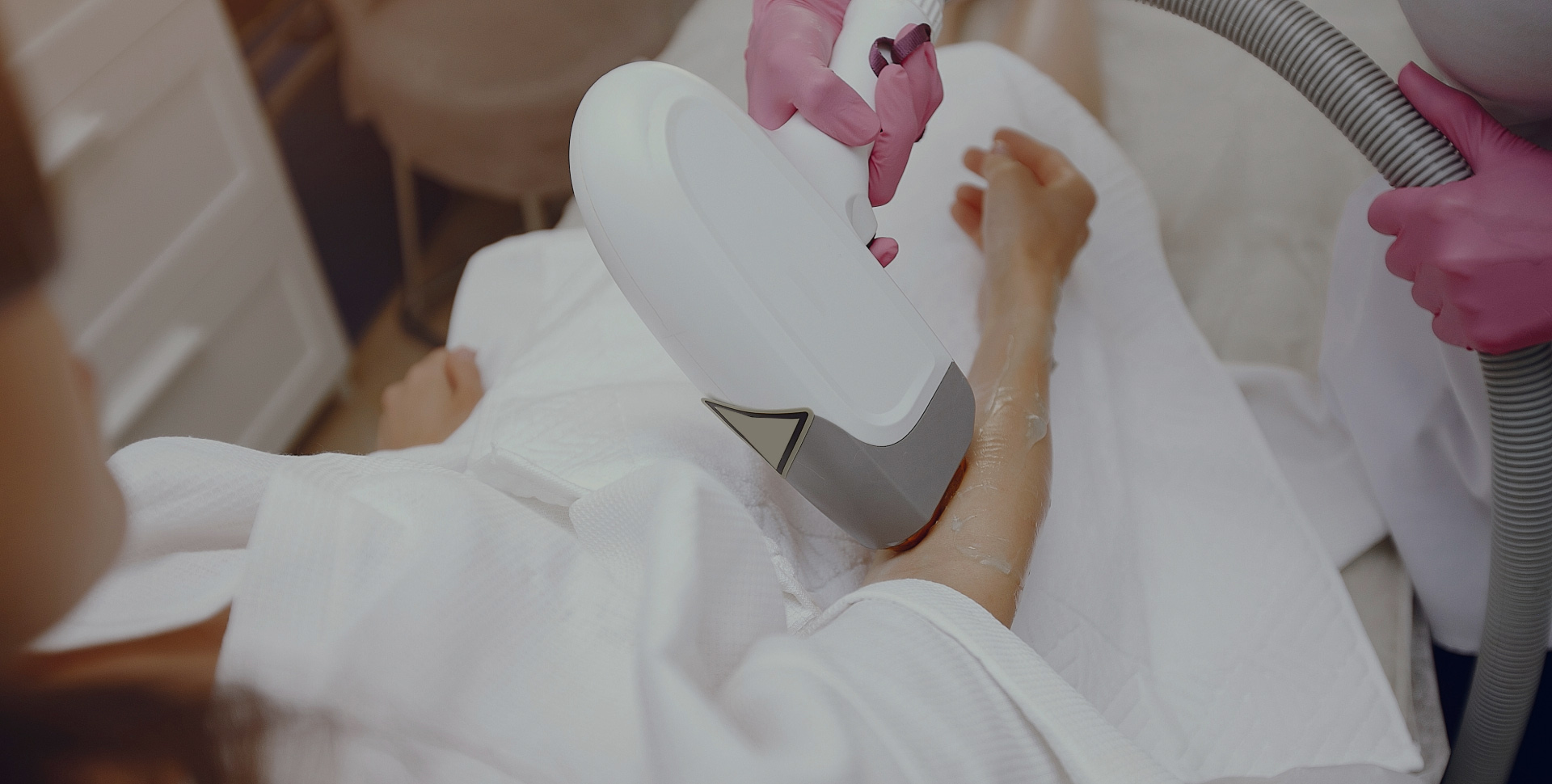
Laser Hair Removal: Melanin in hair follicles must be heated above 70℃, while the epidermal temperature must be strictly controlled below 43℃. The instantaneous cooling capacity of semiconductor cooling modules is critical to preventing scald injuries.
According to data from the White Paper on China’s Medical Aesthetic Equipment Industry, the complaint rate of medical aesthetic treatments rises by 47% when the temperature control deviation of equipment exceeds 1℃. In contrast, equipment equipped with high-precision semiconductor cooling modules can effectively reduce the incidence of adverse events.
Semiconductor Cooling Modules: Detailed Analysis of Three Core Parameters
The core of module selection is to accurately match the temperature control requirements of medical aesthetic equipment. Priority should be given to actual measured data rather than theoretical parameters alone.
1. Maximum Temperature Difference (ΔTmax): Upper Limit of Temperature Control Capacity
It refers to the maximum temperature difference between the cooling surface and the ambient temperature under an ideal no-heat-load condition, which defines the cooling and heating temperature range covered by the module.
Medical-grade modules generally achieve a ΔTmax of 65–80℃, far higher than industrial-grade products (typically ≤50℃).
Recommendation: For multi-scenario medical aesthetic equipment, prioritize modules with ΔTmax ≥ 70℃ to reserve sufficient temperature control margin.
2. Maximum Cooling Capacity (Qc,max): Guarantee for Sustained and Stable Operation
It refers to the maximum thermal power that the cold end can absorb under zero temperature difference, which directly affects the long-term temperature control stability of equipment operation.
Laser equipment generates instantaneous heat of hundreds of watts, while radiofrequency equipment produces continuous heat at the level of tens of watts. Insufficient cooling capacity will cause heat accumulation and temperature drift, resulting in reduced therapeutic efficacy.
Industry Standard: The cooling capacity of the module shall be 30% higher than the maximum heat generation power of the equipment (e.g., equipment with 100W heat generation requires a module with Qc,max ≥ 130W).
3. Coefficient of Performance (COP): Key to Balancing Energy Saving and Heat Dissipation
Defined as the cooling capacity generated per unit of electric energy, COP is a core indicator for evaluating energy consumption and heat dissipation pressure.
Most medical aesthetic equipment is portable or designed for long standby hours. A high COP can reduce energy consumption, extend battery life, and lower the overall heat dissipation burden.
Medical-grade modules usually have a COP of 0.8–1.2. Under actual working conditions (25℃ ambient temperature, 50% load), modules with COP ≥ 1.0 are more suitable for medical aesthetic applications, as they avoid temperature control deviations caused by self-heating.
From Selection to Implementation: Full-process Operational Recommendations
The selection of semiconductor cooling modules should run through the entire process of equipment design, testing and mass production, with the core principle of "clarifying requirements first, then achieving precise matching".
Define Clear Thermal Requirements: Including target temperature, control accuracy, cooling speed, continuous working duration and environmental conditions.
Early Supplier Engagement: Involve module suppliers in the preliminary design phase to jointly optimize thermal layout and temperature control strategies.
Adequate Prototype Verification: Conduct long-duration and multi-cycle temperature control reliability tests by simulating real application scenarios.
Established in 2015, Huajing Co., Ltd. is a national high-tech enterprise specializing in temperature control equipment solutions, integrating R&D, production, sales and after-sales services. Focusing on three core technologies — semiconductor refrigeration, vapor compression refrigeration, and flexible thermal conductive electrothermal film application — the company provides one-stop customized solutions including 3D structural design, CAE thermal simulation analysis, and supporting electronic software and hardware development.
Its products are widely applied in medical aesthetics, laser equipment, communication and power systems, aerospace, new energy vehicles and other fields. Adhering to the corporate philosophy of "Customer Focus, Teamwork, Innovation and Integrity", the company continuously invests in technological R&D, gathers professional talents in the thermal management industry, and equips high-standard laboratories to ensure its products reach advanced domestic standards. Holding a number of technical patents and certified with ISO9001 and IATF16949 quality management systems, the company is committed to providing high-performance, high-stability and high-reliability thermal management solutions and products for global clients.
The temperature control competitiveness of medical aesthetic equipment stems from the precise adaptation of semiconductor cooling modules, rather than simple parameter stacking. Selecting the right semiconductor cooling module can not only guarantee treatment efficacy and safety, but also shorten R&D cycles, reduce mass production risks, and provide core support for enterprises to seize market opportunities. For reliable and professional semiconductor temperature control solutions for medical aesthetics, welcome to consult Huajing Temperature Control.
 Contact Our Thermal Experts:
📞 +86 18575222950 (WeChat/WhatApps)
📧 EMAIL: sale02@hj-tc.com
🌐 Browse products: https://www.huajingtc.com (Huajing Cooling Solutions)
Optimize your UAV & Laser & Beauty system's performance with Huajing's advanced thermoelectric cooling technology.


Looking for more
information?

0755 23405284
Email: sale02@hj-tc.com
Add: 3/F No.5 Building,Yesun Pingshan Life and Health Technology Park, No. 19 Linhui Road,Pingshan District, Shenzhen, Guangdong,CN.
©2019- 2024 Huajing Co.,Ltd.Copyright